Trezor Finds Recovery-Phrase Implants in Three CryptoBilis-Sold Safe 5 Wallets
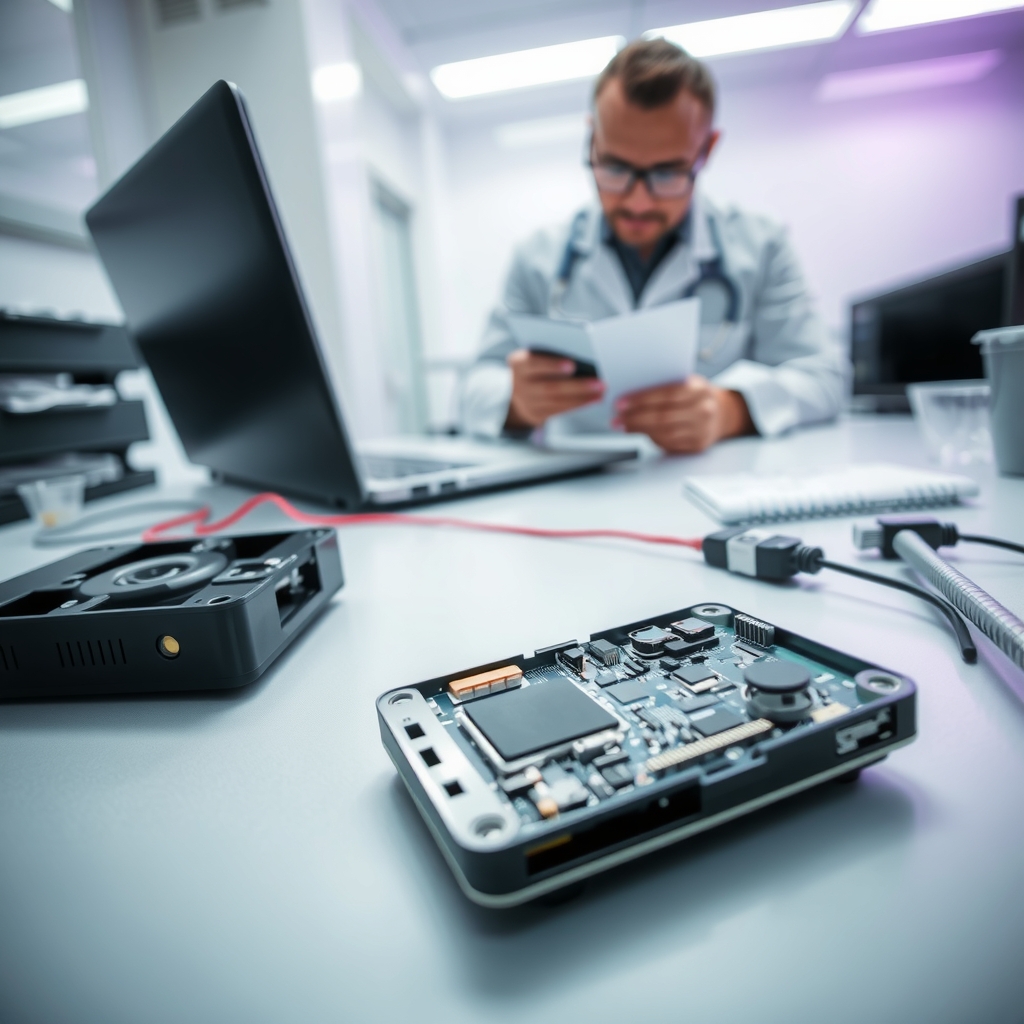
Trezor says three Safe 5 hardware wallets sold by reseller CryptoBilis contained hidden circuit boards capable of copying customers’ recovery phrases. The company’s investigation found that the implants could capture a phrase when it appeared on the device’s screen during wallet setup or restoration, then transmit the information over a mobile network to a server controlled by the attackers.
The company has not identified who installed the components or where in the supply chain that happened. It said the three affected wallets were purchased between August 20 and September 23. Trezor has not received reports that their owners lost funds, although it cannot independently check balances because its wallets are self-custodial.
How the implant captures wallet credentials
Trezor examined one of the devices in its laboratory and identified two more from photographs provided by their owners. Engineers extracted and analyzed the implant’s firmware. The extra board was positioned between the Safe 5’s main board and its screen, and Trezor said it did not alter the wallet’s own firmware or Secure Element.
The implant was designed to copy recovery phrases displayed during creation of a backup and during restoration, when a user enters an existing phrase on the device. It could also capture a passphrase if one appeared on the screen. The implant encrypted the collected information before sending it. If it could not establish a connection, it retained the data and tried again later, according to Trezor.
Trezor said the implant’s operation resembles components found in some Ledger devices sold by the same reseller, adapted to work with the Safe 5’s display. Ledger previously confirmed an unauthorized implant in a wallet sold by CryptoBilis. In that incident, Ledger said, genuine devices had been fitted with hidden components intended to capture recovery phrases during setup, and affected wallets were drained in a coordinated operation.
Firmware update does not undo earlier exposure
Trezor released firmware version 2.13.1 earlier in the week. The company said the update prevents the implants identified so far from capturing information on devices running the new firmware. It is available for the Safe 7, Safe 5, Safe 3 and Model T. However, updating does not protect a recovery phrase that an implant may already have copied.
The company has not published technical details about the implant, saying that disclosure could help attackers or put customers at risk. Its investigation remains open, and it said it will provide another update if it confirms an implant outside CryptoBilis-sold Safe 5 devices, receives a report of linked fund losses, or introduces additional protections.
Guidance for CryptoBilis customers
Trezor’s advice applies to anyone who bought one of its wallets from CryptoBilis since March, including through the reseller’s Tokopedia and Shopee stores. Customers should move funds to a new wallet protected by a new recovery phrase. Restoring an old phrase on another device is not sufficient, because a phrase previously captured by an implant remains exposed.
- Do not set up an unused wallet purchased from CryptoBilis, and do not enter an existing recovery phrase into it.
- Keep the device and contact Trezor Support. The company says it is offering a new Trezor wallet to customers who bought from the reseller since March.
- Contact Support if you are unsure where your wallet came from. Do not try to identify an implant by weighing or opening the device; Trezor says neither is a reliable test.
- Never disclose a recovery phrase to anyone claiming to provide support. Trezor says it will never ask customers for one, and warns that scammers may impersonate the company to offer replacements or refunds.
Trezor first warned of a suspected implant on October 30, two days after a buyer reported a concern and before the company had examined a device in its lab. CryptoBilis had been an official reseller in Southeast Asia until Trezor removed it on October 9. After the initial reports, Trezor asked customers who bought through the reseller to get in touch; 48 had done so at the time of its update. The company said it was checking devices in its lab or reviewing photographs of their interiors.
The incident also comes amid a change to Trezor’s reseller program. The company said it reduced its reseller network by about 80%, dropping partners that it considered trustworthy but that did not meet stricter requirements. It announced that reduction on October 13, before the first report of an implant in one of its own wallets. Trezor has so far found implants only in Safe 5 devices sold by CryptoBilis, and said it had not found them in other models or in devices from other resellers.