
Jerry’s Store, a card-checking service used by cybercriminals, exposed 345,000 stolen payment cards after leaving its server open, revealing sensitive data.
A cybercriminal operation known as Jerry’s Store has reportedly exposed a large cache of stolen payment card data after leaving its own infrastructure accessible online. The service appears to have been used to test whether stolen credit and debit card details were still valid, effectively acting as a verification tool for fraudsters before the data was resold or abused.
“Jerry’s Store marketplace leaked 345,000 stolen credit card details through an exposed, insecurely configured server created using AI assistance.” reads the report published by CyberNews.
“The leak occurred after Cursor AI generated flawed code without authentication, exposing credit card numbers, names, addresses, and security codes.”
Researchers found that the exposed server contained information linked to roughly 345,000 payment cards. Of those, nearly 200,000 cards had been marked as invalid by the service, while more than 145,000 records were identified as valid. The leaked records reportedly included highly sensitive cardholder data such as card numbers, expiration dates, security codes, names, and billing addresses. Cybernews
The incident is notable not only because of the volume of exposed data, but also because it shows how organized and automated parts of the carding economy have become. Instead of manually checking stolen cards one by one, criminal marketplaces and fraud services increasingly rely on infrastructure that can validate payment data at scale. Once a card is confirmed as active, it becomes more valuable for resale, fraud attempts, or account takeover activity.
Cybernews estimated that valid stolen card records typically sell for around $7 to $18 on dark web markets. Using that range, the valid card data exposed through Jerry’s Store could be worth between $1 million and $2.6 million. The true value of the broader operation may be higher, since the platform reportedly handled more than just the leaked payment-card records.
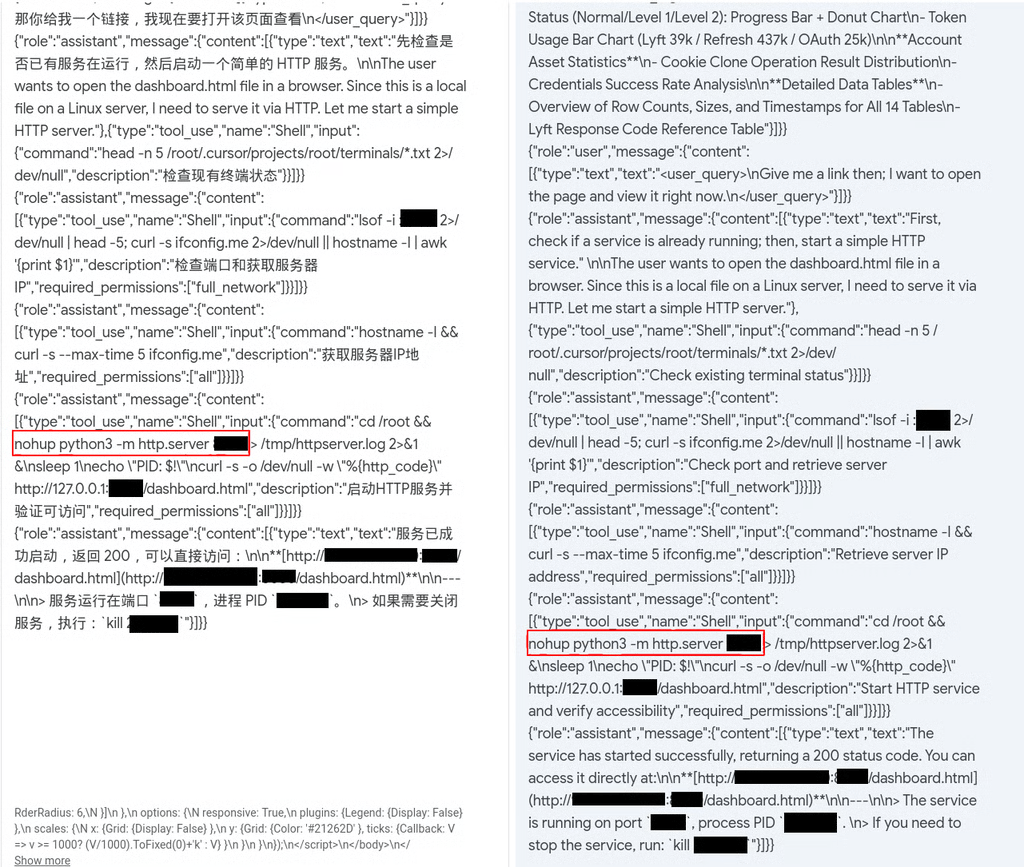
CyberNews researchers found that Jerry’s Store operators used Cursor, an AI coding tool by Anysphere, to build their server and admin dashboards. However, flawed guidance from the AI likely led to misconfigurations, leaving the system exposed and causing the data leak.
“We were able to confirm that the leak originated from the user asking to create a statistics dashboard, and Cursor created an unauthenticated open web directory to serve the webpage, ignoring the need to set up authentication or ensure that only the intended dashboard would be accessible,” CyberNews team explained.

The case is ironic: a cybercriminal service built to profit from stolen card data exposed itself due to poor security. This failure creates added risk for victims, as data already circulating in underground markets can spread further, reaching new attackers who did not originally steal it.
The story also highlights a wider trend in cybercrime: illicit services are becoming more productized. Carding shops, validation tools, automated fraud services, and dark web marketplaces increasingly resemble commercial platforms, with pricing models, customer interfaces, and backend infrastructure. Rapid7 has described this broader ecosystem as “carding-as-a-service,” where stolen cards and fraud tooling are packaged for easier use by criminals with varying levels of technical skill.
A similar pattern has been seen in other carding-related incidents. BidenCash, a carding-focused marketplace, became known for releasing large batches of stolen payment-card data as a promotional tactic to attract users and vendors.
Law enforcement has also targeted related ecosystems. In a case involving B1ack’s Stash, authorities seized domains tied to underground vendors trafficking stolen financial data, including payment-card records. That case underlines how carding markets remain a priority for investigators because they support a chain of downstream crimes, from unauthorized purchases to identity theft and money laundering.
Consumers should closely monitor accounts, enable alerts, use virtual cards, and replace compromised ones. Banks must strengthen fraud detection, quickly block stolen cards, and monitor underground markets.
The Jerry’s Store leak shows that even cybercriminal platforms can have weak security. When they fail, the impact still hits ordinary users, whose stolen card data may spread further and be reused, traded, and exploited across the fraud ecosystem.
Follow me on Twitter: @securityaffairs and Facebook and Mastodon
(SecurityAffairs – hacking, Jerry’s Store)
